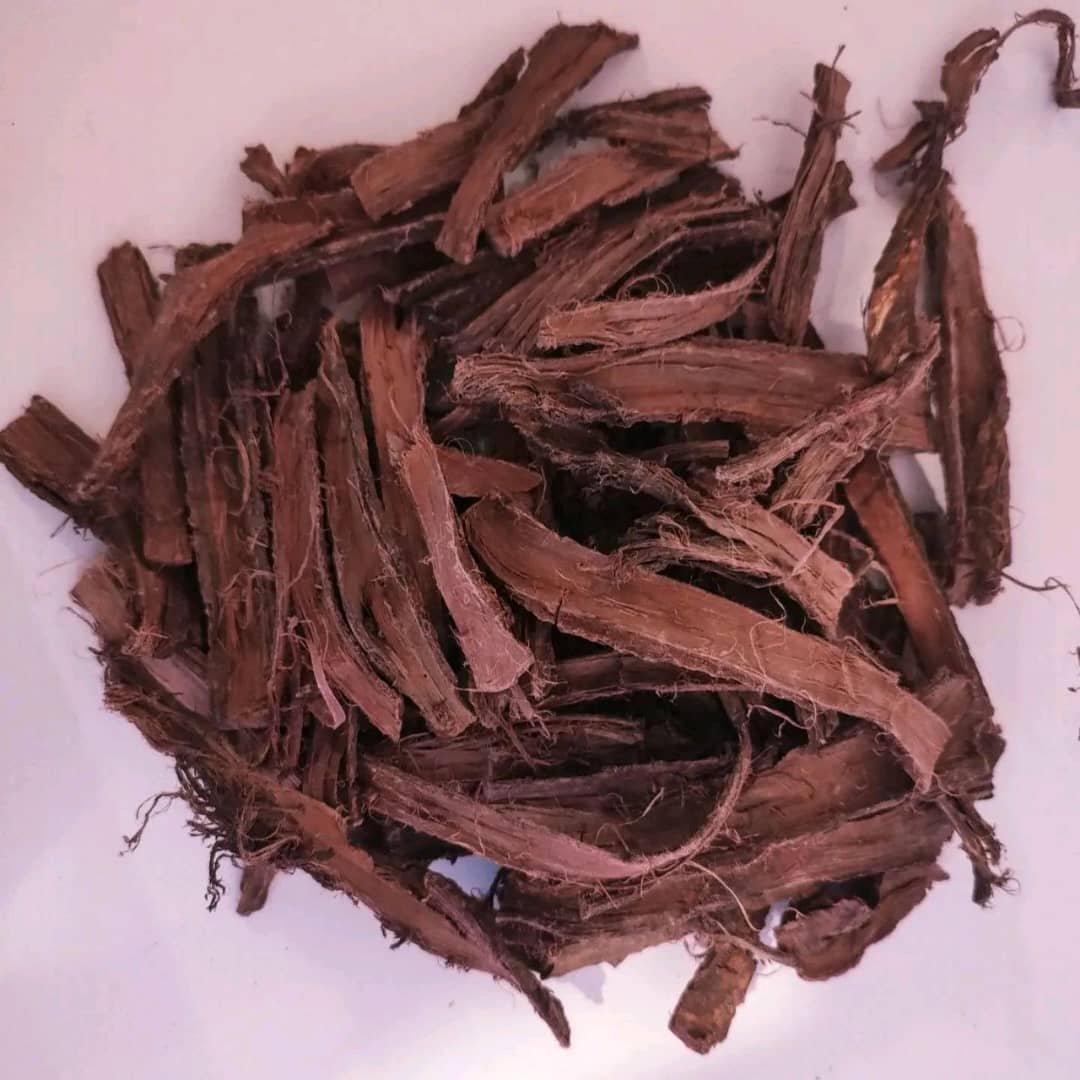


Premium Mexican Mimosa Hostilis Root Bark


Price range: £25.00 through £420.00
Product Information
Product: Mexican Mimosa Hostilis Root Bark
Botanical name: Mimosa tenuiflora
Historical botanical name: Mimosa hostilis
Origin: Mexico
Product type: Natural root bark
Category: Botanical material
Suitable applications: Natural dye, craft and legitimate botanical applications
Natural botanical products may have natural variations in colour, texture and appearance between batches.
Mexican Mimosa Hostilis Root Bark
Discover premium mimosa root bark from Mexico, supplied by Mimosa Hostile UK for legitimate botanical, natural-dye and craft applications. Our Mexican Mimosa hostilis root bark is a naturally sourced plant material appreciated by customers exploring traditional botanical materials and plant-based colour.
Known botanically as Mimosa tenuiflora and historically as Mimosa hostilis, this distinctive tree is native to parts of Mexico and Central and South America. Its root bark has become of interest to natural-material enthusiasts because of its characteristic appearance and naturally occurring plant compounds.
Premium Mexican Mimosa Root Bark
At Mimosa Hostile UK, we aim to provide clearly described botanical materials with straightforward product information. This mimosa root bark is sourced from Mexico and is offered as a natural plant-based material for appropriate applications.
The appearance and texture of natural bark can vary because it is an agricultural and botanical product rather than a manufactured synthetic material. Variations in colour, texture and particle size can therefore occur between batches.
Our Mexican Mimosa hostilis root bark is suitable for customers looking for an authentic botanical material for creative and natural-material projects.

What Is Mimosa Hostilis?
Mimosa hostilis is a name historically used for the plant now commonly identified botanically as Mimosa tenuiflora. It belongs to the legume family and grows naturally in warm regions of the Americas.
The plant is particularly well adapted to dry environments and has been studied for its ecological and traditional significance.
When searching for mimosa tenuiflora root bark, you may therefore encounter both botanical names. Understanding this terminology makes it easier to identify the plant material you are looking for.
Mimosa Bark UK for Natural Dye Projects
Customers searching for mimosa bark UK may be interested in plant-based materials for natural dyeing and craft projects.
Botanical bark has a long history of use in traditional colour practices. Natural-dye enthusiasts can experiment with plant materials on suitable fibres and other compatible materials to explore naturally derived colours.
The final result can vary depending on several factors, including:
- The material being dyed
- Preparation technique
- Water chemistry
- Temperature
- Dye concentration
- Dyeing time
- Type of fibre
This natural variation is part of the appeal of working with botanical dyes. Rather than producing identical results every time, natural materials can create subtle differences between individual projects.
Craft & Botanical Applications
Our mimosa root bark is also suitable for people exploring natural materials in creative projects.
Artists, makers and botanical enthusiasts may appreciate working with a plant-derived material that has its own natural texture, appearance and characteristics.
Potential legitimate applications include natural-dye experimentation, craft projects, botanical education and appropriate research into plant-based materials.
If you are developing a commercial cosmetic or personal-care formulation, the material should be assessed for suitability, purity, safety and compliance with the applicable cosmetic regulations before being incorporated into a finished product.
Mexican Mimosa Tenuiflora Root Bark
The terms Mimosa hostilis, Mimosa tenuiflora and Mexican mimosa bark can sometimes appear together when researching this botanical material.
For clarity, Mimosa tenuiflora is the botanical name commonly associated with the species historically referred to as Mimosa hostilis. This means customers searching for mimosa tenuiflora root bark may be looking for the same botanical species described under the older name.
At Mimosa Hostile UK, we use these names to help customers identify the botanical material while providing clear product information.
Why Choose Mimosa Hostile UK?
Choosing a botanical supplier is about more than simply finding a product. Customers also want to know what they are buying, where it comes from and how it is presented.
Mimosa Hostile UK focuses on:
Clear botanical identification
We identify our products using recognised botanical terminology so customers can make informed purchasing decisions.
Mexican botanical sourcing
This product is presented as Mexican Mimosa hostilis root bark, giving customers clear information about its stated origin.
Natural plant material
Our root bark is a naturally derived botanical product rather than a synthetic colouring material.
Straightforward information
We aim to describe our products accurately without unnecessary claims.
Responsible use
Customers are responsible for ensuring that their intended use complies with applicable UK laws, regulations and safety requirements.
Product Information
Product: Mexican Mimosa Hostilis Root Bark
Botanical name: Mimosa tenuiflora
Historical botanical name: Mimosa hostilis
Origin: Mexico
Product type: Natural root bark
Category: Botanical material
Suitable applications: Natural dye, craft and legitimate botanical applications
Natural botanical products may have natural variations in colour, texture and appearance between batches.
How to Store Mimosa Root Bark
To maintain the quality of your mimosa root bark, store it in a cool, dry location away from direct sunlight, excessive heat and moisture.
Keep the packaging properly sealed when the product is not being used. Avoid storing dried botanical material in areas exposed to condensation or high humidity.
Appropriate storage helps preserve the physical characteristics of the material during its intended storage period.
Frequently Asked Questions
What is Mimosa root bark?
Mimosa root bark is a naturally derived botanical material obtained from the root bark of the plant commonly known as Mimosa tenuiflora, historically referred to as Mimosa hostilis.
Is Mimosa hostilis the same as Mimosa tenuiflora?
Yes. Mimosa tenuiflora is the botanical name commonly used today for the plant historically known as Mimosa hostilis.
Where does this Mimosa root bark come from?
This product is described as Mexican Mimosa hostilis root bark, meaning the stated botanical source is Mexico.
What can Mexican Mimosa bark be used for?
This botanical material can be explored for legitimate natural-dye, craft and botanical applications. Always check that your intended use complies with applicable laws and safety requirements.
What is the difference between Mimosa root bark and Mimosa bark?
“Mimosa root bark” specifically refers to bark obtained from the roots, while “mimosa bark” can be a broader term that may refer to bark from different parts of a mimosa plant. Product descriptions should therefore be checked carefully before purchasing.
Is this a natural product?
Yes. The product is a naturally derived plant material obtained from Mimosa species and is not a synthetic colouring material.
How should Mimosa root bark be stored?
Store the material in a sealed package in a cool, dry place away from moisture and direct sunlight.
Order Mexican Mimosa Hostilis Root Bark
If you’re searching for mimosa root bark, mimosa bark UK or mimosa tenuiflora root bark, Mimosa Hostile UK provides clearly described Mexican botanical material for legitimate craft, natural-dye and botanical applications.
Explore our product range and choose the botanical material that best suits your project.
Mimosa Hostile UK — Natural Botanical Materials for Craft, Colour & Creative Applications.
| Quantity | 100g, 500g, 1kg, 2kg, 3kg, 4kg |
|---|
5 reviews for Premium Mexican Mimosa Hostilis Root Bark
Add a review
Related products

Mexican Mimosa Hostilis
Premium Shredded Mexican Mimosa Hostilis Inner Root Bark (MHRB)

Mexican Mimosa Hostilis


Mexican Mimosa Hostilis
Mexican Mimosa Hostilis Root Bark (MHRB) | Premium Fine-Milled Powder


Charlotte ‘Lottie’ King –
The vacuum sealing is a lifesaver. It keeps the product fresh and the packaging is so discreet I never have to worry. Best customer service in the game.
Jackson ‘Jax’ Pierce –
I’ve tried the cheaper ‘discount’ sites and always regretted it. Mimosa Hostilis UK is for people who actually care about their research. Don’t waste your time with anything else.
Vivienne Caldwell –
The SSL secure checkout gave me the confidence to place a large initial order. Everything arrived exactly as described. Prime Hostilis is the gold standard for a reason.
Brooks Henderson –
High-yield material that saved our production line thousands this quarter. The density means we use less material for the same color saturation. Pure efficiency.
Elena ‘Ellie’ Martinez –
I love the new ‘Verified Reserve Member’ status. It makes you feel like part of an elite group. The quality has stayed 10/10 since my very first order.